Categories
Respiratory Issues

The Engine Room: Why “The Cut” is the Secret to Racing Success

In the world of competitive pigeon racing, the difference between a champion and a late-comer is often measured in seconds. While wing shape and muscle tone are vital, the most critical component of a winning bird is its “engine room”—the respiratory system, commonly referred to by top fanciers as “The Cut.”

If your pigeon’s breathing is compromised by even a fraction, its ability to oxygenate its blood during a long flight drops significantly. To win, your bird needs a clean “intake manifold” to keep its muscles firing at peak performance.

Australian Pigeon Company

What is “The Cut”?

“The Cut” refers to the glottis (the opening at the base of the tongue) and the choana (the slit in the roof of the mouth). This area is the gateway for oxygen. When this area is clear and healthy, the bird can breathe effortlessly, allowing for maximum stamina and faster recovery times after a grueling race.

The Anatomy of a Champion: What to Look For

When evaluating your birds before basketing, look for these signs of elite condition:

  • The “V” Slit (The Palate): The slit in the roof of the mouth should be open and clear. If it is swollen shut or filled with mucus, the bird is struggling for air. In top form, you should see fine “fringes” along the edges of the slit.
  • The Glottis: This should be sitting low and still. A glottis that is jumping or gasping while the bird is at rest is a sign of poor respiratory health or extreme stress.
  • Coloration: A healthy throat is a vibrant, healthy pink. This indicates strong blood circulation. A pale or “white” throat can signal anemia or an underlying parasite load.
  • Dryness: There should be zero visible mucus or “slime.” Any moisture in the throat can harbor bacteria or Trichomoniasis (Canker), which acts like a physical Speed Limiter on your bird.

The Gut-Lung Connection

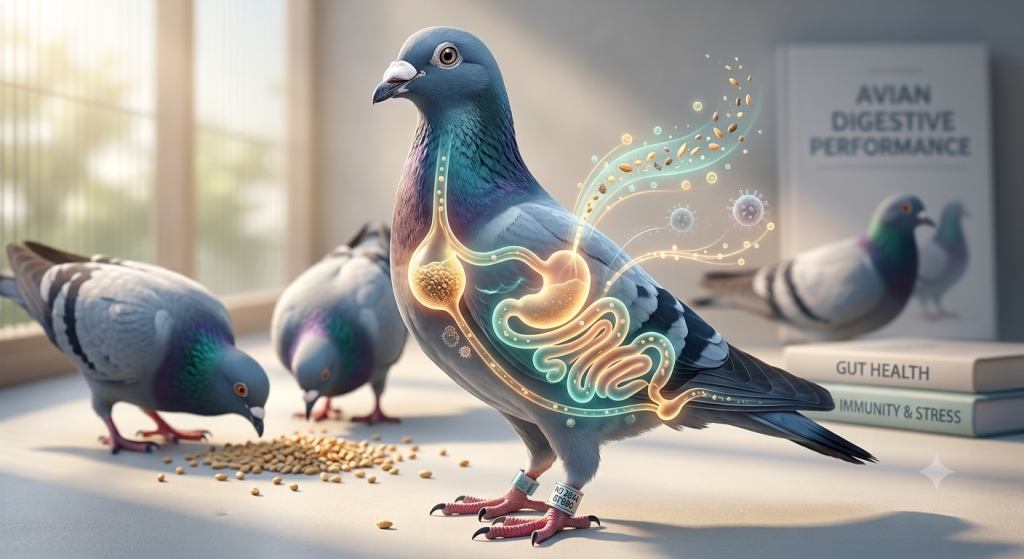
Experienced fanciers know that a clean throat starts in the gut. If the digestive system is imbalanced, the immune system weakens, leading to the buildup of respiratory mucus.

To keep “The Cut” clean, you must protect the gut lining:

  • Probiotics are Essential: By maintaining a healthy balance of gut flora, you prevent bad bacteria from migrating and causing respiratory inflammation.
  • Acidity Levels: Using natural acids like lemon juice or apple cider vinegar in the water helps create an environment where harmful bacteria struggle to survive.
  • Recovery Protocol: Always support the respiratory tract after a race, as transport crates are often breeding grounds for dust and pathogens.

Training Tip: The “Silent” Test

A bird in winning form should be silent. If you hold a bird to your ear and hear any clicking, wheezing, or heavy “thumping,” that bird is not ready for the race. A clean cut means silent, efficient power.

The Bottom Line

You can have the best bloodlines in the world, but if the air can’t get in, the bird can’t get home. Focus on maintaining a Clean Cut through superior hygiene and gut support, and you will see the results on the race sheet.

Condition is King. Keep the intake clear, and the results will follow.

Key Products for a Clean Cut:

  • Biotics – Probiotics: To strengthen the immune system from the inside out.
  • Respiratory Plus, Ambronil (due to bromhexine) – Respiratory Aid: To clear mucus and ensure maximum airflow.

Magic – Natural Acids: To keep the system balanced and bacteria-free.

Categories
Cest Naturals Immunity system

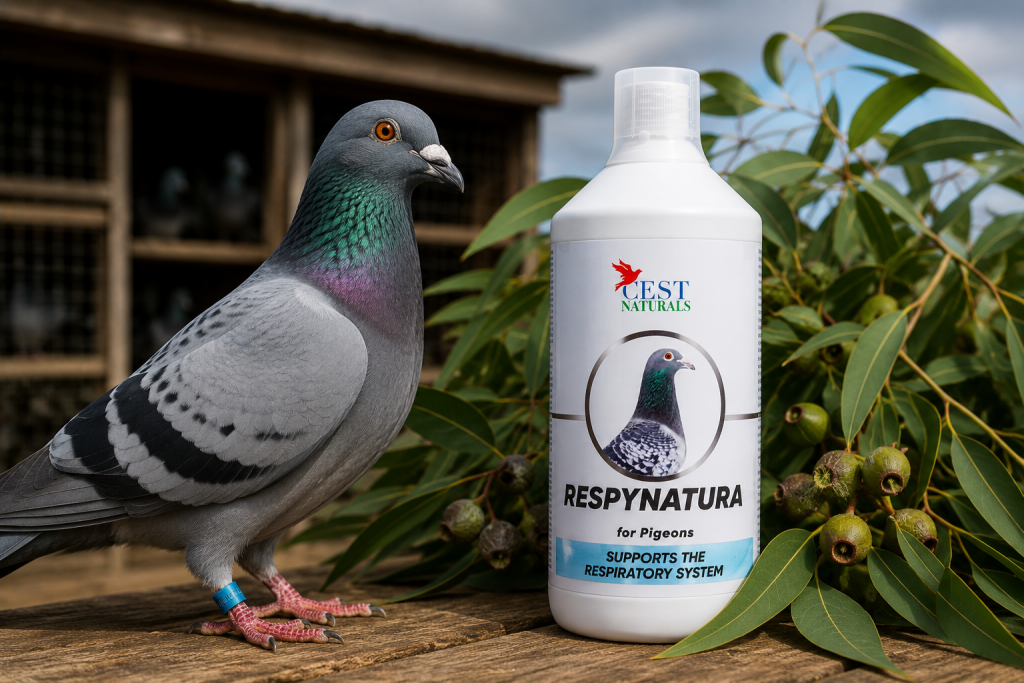
Respynatura – Herbal Support for Healthy Breathing and Vitality

Thinning mucus and facilitating its removal from the respiratory tract. As a result, the airways are cleared and breathing during inflammation becomes easier. It is a real support in the treatment of respiratory disorders through its expectorant and spasmolytic properties.

Respiratory diseases are one of the main causes of loss of athletic condition and growth and development delays in racing pigeons.

The respiratory organs of birds are a vulnerable system because they are constantly exposed to the external environment and, therefore, are subject to infections.

Birds have air sacs outside the lungs. The air sacs continuously supply the lungs with air, ensuring pulmonary ventilation.

In flying birds, the air sacs are essential during flight because:

– they form the oxygen reserve at the time of take-off, when the rib cage is immobile as a result of muscle contraction,

– they reduce the specific weight of the body,

– they ensure balance during flight,

– they fix the internal organs so that the shock of landing is cushioned.

The air sacs are organs with a thin, poorly vascularized membrane, which makes them difficult to treat in cases of infection. They are also connected to other organs, not only the lungs, including bones! Being very susceptible to infections, a localized infection of the respiratory system can easily spread to the digestive system or the oviduct and vice versa by migrating pathogens, such as septicaemia due to coli bacillary superinfection in birds.

Mucociliary clearance is the primary innate defence mechanism of the respiratory system.

The respiratory tract is equipped with a functional mucociliary apparatus consisting of a protective mucous layer, a liquid layer at the surface of the airways and cilia on the surface of the ciliated cells. This apparatus produces mucus, which traps inhaled particles and pathogens and propels them out of the airways (e.g. by sneezing). This mechanism, called mucociliary clearance, is the main innate defence mechanism of the respiratory system.

When the pigeon suffers from a respiratory disease, which is usually complicated by a co-infection or secondary bacterial infection, there is an excess production of mucus that impairs mucociliary clearance. The excess mucus obstructs the airways by forming sores and plugs, leading to dyspnoea (hypoxia) and allowing invasive bacteria to adhere and colonize the respiratory system.

The accumulation of mucus in the respiratory tract severely reduces oxygen intake, causing difficulty breathing, reduced feed intake and a decrease in the energy level of the birds, which has a negative impact on weight gain and performance. Respiratory problems can result from infection with bacteria, viruses and fungi or from exposure to allergens. The resulting irritation and inflammation of the respiratory tract leads to sneezing, wheezing and coughing and, the rapid spread of infection.

A healthy respiratory system eliminates 80% of inhaled germs. When the animal’s defences are worn out by overexertion, infectious agents can penetrate deep into the respiratory tree, from which it is very difficult to remove them. As a result, pigeons are struck by various infections that have a negative impact on performance: colibacillosis, aspergillosis, mycoplasmas, etc.

For this we have created a formula concentrated in natural extracts that can become an important tool for managing respiratory problems. Extracts of plantain, echinacea, thyme, mint, eucalyptus, gentian, fennel, anise, Ginko biloba, willow, chamomile, rosehip have well-known applications in medicine. Based on the antiviral, anti-inflammatory and antibiotic action of the extracts, the product will have the following effects:

– reducing the spread of respiratory pathogens,

– rapid reaction of the body to alleviate respiratory distress and

– maintaining the functionality of the mucociliary apparatus.

All this, because:

– antibacterial properties will increase the body’s resistance to bacterial diseases such as salmonellosis, colibacillosis, mycoplasmas or clostridia that pose serious problems for the respiratory system and other segments

– positively influence the avian immune system, as it promotes the production of immunoglobulins, increases lymphocyte activity and stimulates the release of interferon-γ. In this way, it increases the titter of antibodies against viral diseases (avian influenza, Newcastle disease (fowl pox))

– activates antioxidant defence mechanisms reducing oxidative stress

– beneficial effect on intestinal microflora, absorption, digestion, weight gain and also has an antioxidant effect.

– Frees the airways from mucus optimizing breathing and thus the correct oxygenation of your

Categories
Breeding

Securing a Clean Nest for the Next Generation

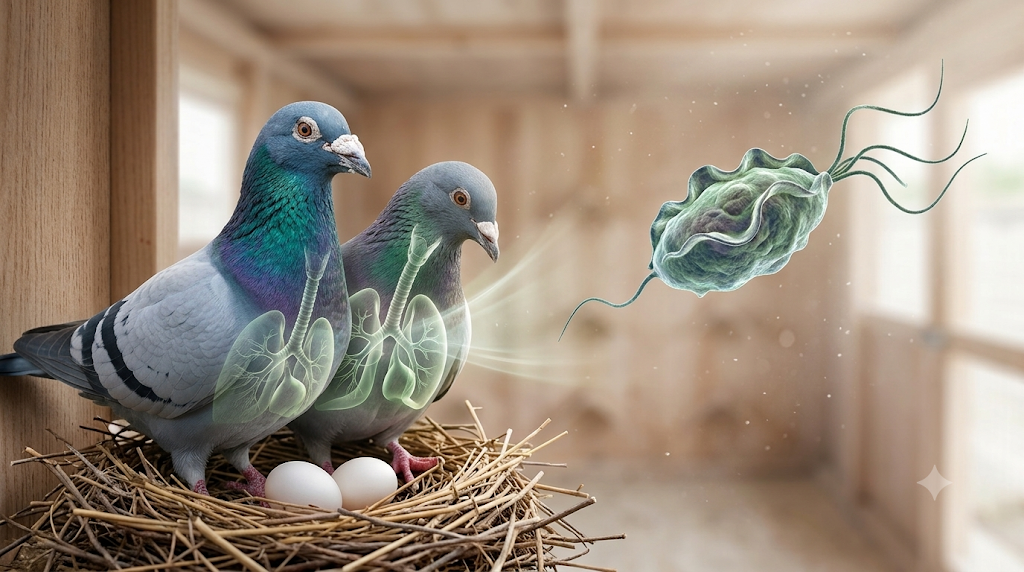
In the world of bird breeding, timing is everything. While many experts advise against “blindly” medicating healthy birds, there is one strategic window that veteran breeders and avian specialists often treat as a critical exception: the incubation period.

Treating breeding pairs while they are “sitting on the eggs” is a preventative maneuver designed to break the cycle of infection before the first chick even hatches. By cleaning the parents of latent pathogens during this time, you ensure the younglings are born into a “clean nest” environment.

The Canker Threat: Protecting the Younglings

The primary target of this regimen is Canker, a disease caused by the protozoan parasite Trichomonas gallinae. While adult birds can often carry small amounts of these trichomonads without showing signs of illness, the parasite is devastating to “younglings” (squabs or chicks).

Because parents feed their young via regurgitation (such as “pigeon milk”), any latent canker in the parent is passed directly to the vulnerable offspring. If left untreated:

  • Outbreaks in the nest: Chicks may develop yellow, “cheesy” growths in the throat that lead to starvation or suffocation.
  • Navel Canker: The parasite can enter through the unhealed navel, causing internal organ failure.
  • Stunted Growth: Even mild infections force the young bird’s immune system to work overtime, diverting energy away from growth and development.

Killing Two Birds with One Stone: The Airway Regimen

The text highlights an important secondary step: pairing the canker treatment with an airway regimen. In many lofts and aviaries, canker often exists alongside “latent” respiratory infections (such as Mycoplasmosis or Ornithosis).

If a breeder establishes that a parent’s airways are “not optimal”—perhaps through a slight rasp, watery eyes, or a discolored cere—they may administer a respiratory treatment (often involving antibiotics like Doxycycline or Tylosyne) alongside the canker medication.

Why treat both at once?

 * Reduced Pathogen Load: Young birds have no built-in immunity. By clearing both the digestive (canker) and respiratory (airway) systems of the parents, you minimize the “pathogen burden” the chicks must fight.

 * Parental Stamina: Raising young is physically exhausting. Parents with clear airways can breathe and forage more efficiently, ensuring they provide better care and more consistent feeding.

Why Medicate “On the Eggs”?

The reason this specific time is chosen is purely tactical. Treating birds before they hatch ensures that the medication has finished its course and the pathogens are cleared by the time the parents begin producing milk and feeding.

Medicating while feeding youngsters is riskier, as the high water intake of feeding parents can lead to overdosing the chicks, and some medications can interfere with the development of the young birds’ feathers or skeletal structure.

Summary of the “Clean Nest” Strategy

  • Observation: Check parents for signs of “wet” eyes, dirty ceres, or slow crop clearing.
  • Timing: Start the regimen once the birds have been sitting on their eggs for a few days.
  • Medication: Use a targeted nitroimidazole (like Ronidazole or Metronidazole) for canker, and if necessary, a compatible respiratory antibiotic for the airways.
  • Goal: To ensure that when the eggs crack, the parents are at peak health, offering the younglings the best possible start in life.

Disclaimer: Always consult with an avian veterinarian before beginning a medicinal regimen. Overuse of antibiotics can lead to drug resistance, and specific dosages vary by species and environment.

Categories
Breeding Immunity system

Imunoferm – Strengthening the immun system

Rich in nutrients that strengthen immunity: vitamin C, probiotics: Saccharomyces cerevisiae and Bacillus subtilis, highly absorbable minerals: zinc, iron, copper and natural extracts with powerful anti-infective properties: Cinnamon oil, Cinnamomum zeylanicum

Immunity is a complex and remarkable system that plays an essential role in protecting the body from various harmful invaders, including bacteria, viruses and other pathogens. It is a defense mechanism formed by a real network of organs, cells and proteins that defend the body against infections, while protecting the body’s own cells. Thus, once a threat is identified, the immune system uses various mechanisms to destroy and eliminate the invaders. This may involve the release of chemicals, the engulfment of pathogens by immune cells and the activation of other immune components.

To maintain a healthy immune system, it is essential that the diet is balanced, rich in vitamins, minerals and antioxidants. Nutrients such as vitamin C, vitamin D, zinc, and probiotics play vital roles in supporting immune function.

Iron is important for the production of healthy red blood cells, and iron deficiency can cause anemia. In addition, recent studies have shown that iron plays another key role: it regulates the immune system, especially in the gut. Iron is absorbed into immune cells in the gut, regulates these cells, and influences intestinal immune responses during infections.

This relationship explains the weakened immune response in anemia and the increased susceptibility to infections because these immune cells in the gut are compromised due to iron deficiency.

https://ufhealth.org/news/2023/uf-researchers-discover-iron-plays-key-role-in-immune-system-health

Zinc (Zn) is a vital micronutrient that strengthens the immune system, intervenes in cellular activities, and has a positive effect in the treatment of infectious diseases. A deficiency of Zn can lead to an imbalance in the immune system. This imbalance is especially evident in cases of severe deficiency, where there is a high susceptibility to various viral infections. Zinc ions are involved in the regulation of intracellular signaling pathways in immune cells (the ability of a cell to receive, process or transmit signals with the environment and with itself). Zinc also has anti-inflammatory and antioxidant properties of

Copper is an essential trace element for the body, and changes in copper levels often indicate a pathological state. Thus, copper deficiency significantly affects the development and function of the immune system, increases susceptibility to various pathogens, leads to a decrease in the number and impaired function of neutrophils, reduces the antibacterial activity of macrophages, impairs the ability to produce antibodies, etc. Copper contributes to immunity in two ways: by participating in the development of immune cells and by providing antifungal agents. The “contact kill” toxicity of copper alloy surface materials to clinically relevant pathogens can reduce the transmission of clinically relevant pathogens.

Cinnamomum zeylanicum has antifungal, antibacterial, anti-inflammatory and antioxidant properties. The main components of cinnamon essential oil are trans-cinnamaldehyde, eugenol and linalool. Studies show that cinnamon essential oil exhibits significant inhibitory effects on both Gram-negative and Gram-positive bacteria, such as Salmonella enterica, E. coli, Staphylococcus aureus, and Listeria monocytogenes. It is also considered one of the most beneficial and useful in anti-infective, antifungal or antiviral treatment. Its antimicrobial activities recommend it in numerous pharmaceutical applications.

Probiotics have been defined as “live microorganisms which, when administered in adequate amounts, confer a health benefit on the host”. Probiotics protect against infectious diseases by multiple mechanisms including secretion of antipathogenic substances, competitive exclusion of pathogens, maintenance of mucosal integrity and stimulation of immune responses.

Bacillus subtilis

Endospore formers, such as Bacillus species, are of interest because their spores resist the acidic barrier of the stomach and are stable for long periods of time. Bacilli, considered intestinal commensals, are used as probiotics for the prophylaxis of gastrointestinal disorders, for the prevention of recurrent respiratory infections or as an adjuvant in the administration of antibiotics. Bacillus species have been shown to produce antimicrobial substances, improve intestinal epithelial barrier functions and stimulate cytokines.

Saccharomyces cerevisiae

is known shield especially for its therapeutic efficacy against various gastrointestinal diseases. This probiotic yeast can significantly protect the normal microbiota of the intestine and inhibit the pathogenicity of various digestive infections. Several clinical studies have declared S. cerevisiae a biotherapeutic agent due to its antibacterial, antiviral, anticancer, antioxidant, anti-inflammatory and immunomodulatory properties.

It is an excellent source of protein with a high content of amino acids. S. cerevisiae is also responsible for the formation of glutathione, an important antioxidant used in the pharmaceutical industry. It can enhance its antioxidant properties by increasing the production of phytochemical constituents such as isoflavones.

Activated charcoal

It plays an essential role in maintaining health because activated charcoal binds to toxins, bacteria and mycotoxins (such as aflatoxins), and eliminates them through the digestive tract, thus reducing the absorption of harmful factors into the bloodstream. Adsorption therapy with activated charcoal as an indigestible carrier is one of the important methods to prevent the harmful effects caused by the ingestion of toxic or harmful substances into the body.

Activated charcoal not only binds toxins or organic acids, but also controls pathogenic bacteria and complexes with phenolic compounds in the gastrointestinal tract to prevent interference with enzymatic function and protein digestion.

Activated charcoal has also been shown to control lactic acid concentration and help maintain pH levels and microflora. [Hasan Rüstü Kutlu, Ilknur Ünsal, Murat Görgülü, Effects of providing dietary wood (oak) charcoal to broiler chicks and laying hens, Animal Feed Science and Technology, Volume 90, Issues 3–4, 16 April 2001]

Thus, the use of activated charcoal is recommended for:

– control of pathogenic organisms in the intestines, a very important aspect especially in crowds and in hot periods or areas, where microbial degradation of feed is a major threat

– it is beneficial for intestinal health, stimulates the development of the microbiome and has the role of improving the absorption of nutrients in the intestinal segment

– the beneficial effect on the development of the organism, by improving the feed conversion rate

– increases the performance of laying and egg quality, which will provide the nutrients necessary for the future embryo, contributing to increasing the survival rate of the chicks

– controls the level of ammonia in the pigeons’ habitat, thus optimizing environmental factors, considering that a high level of ammonia in the droppings can affect growth and performance, especially in young animals, and at the same time determines the development of pathogenic bacteria leading to the appearance and maintenance of respiratory and digestive diseases.

Administer 5-10 g/kg of grains, depending on the situation:

– for prevention and for maintaining digestive health: 5 g/kg of grains,

– as an associate in the specific treatment of a disease and in convalescence: 10 g/kg of grains. It is administered throughout the year in courses of 5-7 days, and especially in periods when immunity suffers (autumn, winter, spring, high humidity, extreme temperatures), vaccinations, change of environment, competitions, moulting period.

Categories
Breeding

Complete Nutritional Support for Breeding, Molting and Recovery

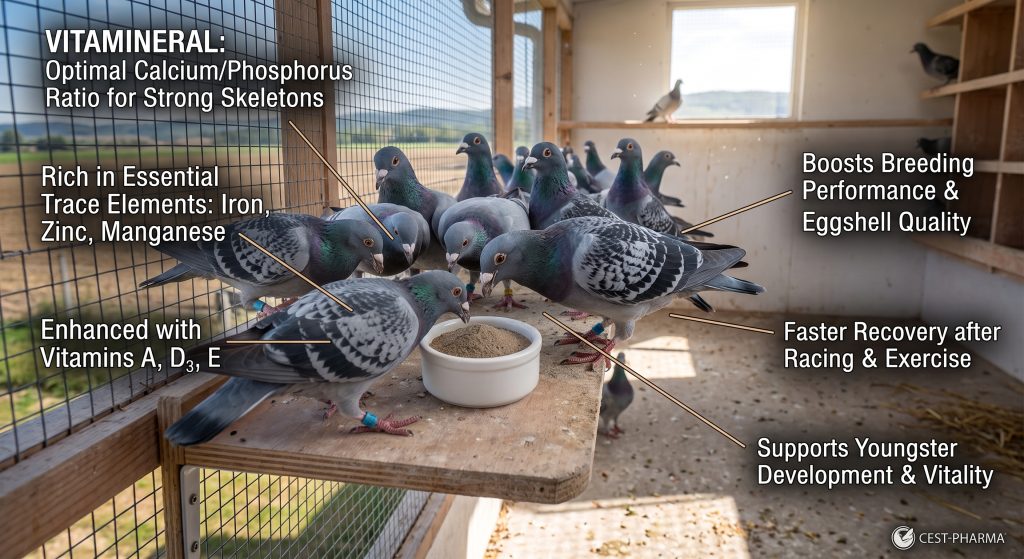
We created this product to be the basis for increasing reproductive performance in pigeons. Its components have the role of protecting and replenishing the body’s nutrient reserves, which is essential during periods of maximum physiological activity (breeding, egg-laying, moulting, etc.), but also in situations of recovery after competitions, illnesses, convalescence, heat stress, transport. To the same extent, it will significantly reduce the state of exhaustion of the body which is always accompanied by massive losses of energy and nutrients.

The natural substances essential to the structure of cartilage, ligaments and tendons (glucosamine, chondroitin, methyl sulphonylmethane) together with the complex of vitamins and minerals, are nutritional elements for the musculoskeletal system and actively intervene in the harmonious development of the skeleton and muscle mass. During molting periods, it contributes to the formation of a healthy, brightly colored and shiny plumage, and after physical exertion, it ensures the restoration of muscle fibers, tissue regeneration and the reduction of inflammatory phenomena.

The probiotics in the composition contribute to the development of beneficial intestinal micro-flora, leading to the formation of a solid microbiome, with a major role in the body’s immunity. The positive effects it generates consist of:

– increasing the absorption of essential nutrients (vitamins, minerals, amino acids, etc.) which will subsequently participate in protein synthesis

– supporting the health of the digestive system by inhibiting the development of infectious microorganisms: E. coli, Salmonella, etc.)

– ensuring good transit and restoring balance after periods of illness. – protecting the body from various infections by strengthening the intestinal barrier, thus blocking the entry of pathogens and unwanted substances into the bloodstream.

Betaine and electrolytes (sodium, potassium, magnesium, chlorine) reduce the negative effects of dehydration on the one hand, and on the other hand, they lead to a decrease in energy requirements through osmoregulation. This is because these nutritional principles have an osmolyte character that protects cells from dehydration by maintaining the balance of water and ions, which is an energy-consuming process. In this way, energy metabolism is made more efficient.

Vitamins: A, D3, E, C, K3, B complex, minerals: magnesium, iron, zinc, manganese, sodium, potassium) contribute to:

– the formation and maintenance of optimal conditions of the skin and mucous membranes.

– the absorption of calcium and phosphorus, essential for maintaining bone health but also for the development of the skeleton in chickens

– the reduction of hemorrhagic lesions that occur as a result of parasites or various infectious diseases.

– Antioxidant role, protects against oxidative degradation, preventing the formation of toxic free radicals and the oxidation of unsaturated fatty acids.

– reducing the risk of diseases by strengthening the immune system,

– contributes to the production of collagen

– maintains the health of blood vessels

– synthesis of blood cells, reduces the risk of anemia, – stimulates metabolic processes.

In addition:

– Potassium is found in erythrocytes, muscles, heart, brain.

– The level of protein assimilated by the body depends on the amount of minerals in the diet. – sodium chloride intervenes in the secretion of proteolytic enzymes, improves appetite and stimulates the digestibility of nutrients.

It is recommended to use:

  • during mating and moulting periods
  • for strong immunity
  • prevention of vitamin and amino acid deficiencies,
  • development of beneficial intestinal flora
  • maintains the health of the skin, mucous membranes and plumage
  • reduces the feeling of fatigue and exhaustion
  • stimulates energy production
  • antioxidant effect, protects against cellular degradation
  • during periods of preparation for competitions and with high risks of illness
  • rapid recovery after intense efforts
Categories
Cest Naturals

AdenoColi Natura – Advanced Herbal Protection Against E. coli and Bacterial Infections

Medications that are usually added to feed, especially as a preventive measure against disease, can lead to the development of resistance in parasites or other microbes. In this way, birds remain carriers, become reinfected, and maintain the infection within the flock. In addition, chemical substances have a high degree of toxicity, especially to the liver. Moreover, the prohibition or limitation of antibiotic therapy has led to an increased incidence of digestive and respiratory infections in birds.

Avian colibacillosis caused by Escherichia coli is the most widespread and harmful bacterial disease among birds. The infection may be localized or systemic, with various clinical signs ranging from respiratory tract infections and white or watery droppings to swollen head syndrome. Youngsters with colibacillosis often present typical lesions: perihepatitis, airsacculitis, pericarditis, peritonitis, salpingitis, coligranuloma, omphalitis, cellulitis, embryonic death, septicemia, and osteomyelitis/arthritis in adult birds.

As a result, mild to moderate chronic E. coli infection often causes reduced feed intake, decreased body weight, lower egg production and hatchability rate, and poorer feed conversion ratio. Severe and acute E. coli infection is usually responsible for higher morbidity and mortality in young chicks and older birds, as well as decreased performance.

Colibacillosis in youngsters often occurs during respiratory syndrome caused by Mycoplasma gallisepticum infection or viral agents such as infectious bronchitis, Newcastle disease, and avian influenza. In addition, immunosuppressive diseases (infectious bursal disease) and stress caused by environmental factors such as overcrowding or high levels of dust and ammonia that enter through oral and respiratory routes also lead to systemic E. coli infection in chicks.

The phenomenon of antibiotic resistance not only raises new challenges for the rational and effective use of antibiotics but also creates many difficulties in preventing and controlling E. coli infection. Furthermore, the recent reduction or prohibition of antimicrobial use has hindered the treatment of avian colibacillosis. Consequently, the incidence of systemic E. coli infections and mortality rates has gradually increased. Therefore, exploring natural substances with effective and safe anti-infective properties is of great importance in controlling E. coli infections.

In vitro studies have demonstrated that several natural plant-derived extracts such as thyme, carvacrol, cinnamaldehyde, turmeric, garlic, citral, etc., may inhibit or kill Gram-negative and Gram-positive bacteria, including Salmonella, E. coli, Campylobacter, and Clostridium perfringens, without harming beneficial bacteria such as Lactobacillus spp.

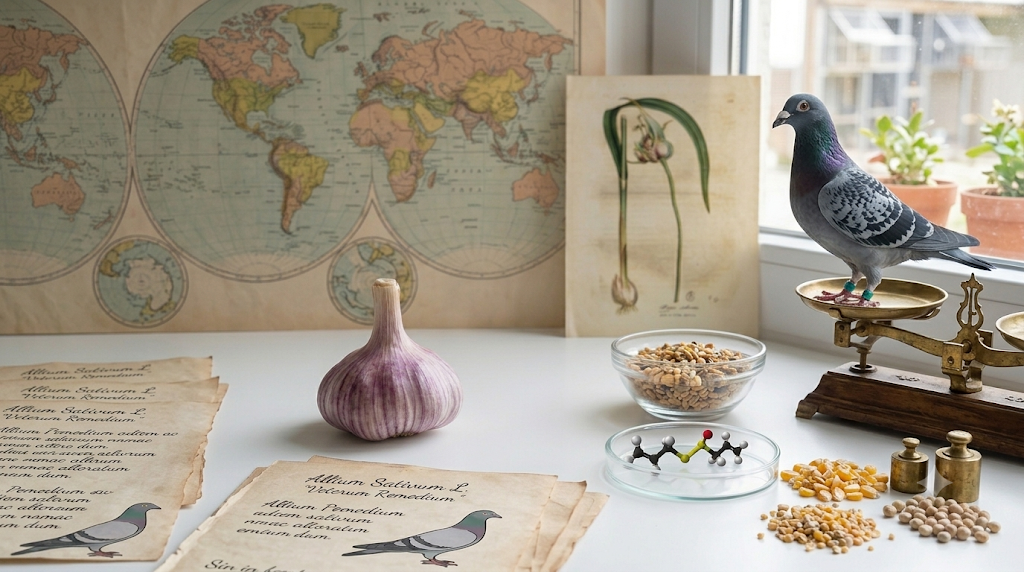
Garlic contains essential oils with allicin as the main active compound. Alliin is enzymatically converted by alliinase into allicin, a compound responsible for the characteristic odor. Allicin compounds have strong antibacterial activity. Garlic contains at least 33 sulfur compounds, 17 amino acids, several enzymes, and minerals. These sulfur compounds give garlic its distinctive sharp smell and clinical effects. Another important garlic compound is inulin, which appears to lower digestive pH in birds when fed garlic due to the prebiotic effects of inulin and its hydrolysates, helping beneficial intestinal flora colonization.

Thyme effectively reduces the growth of E. coli and Salmonella Typhimurium, as established in vitro. Cinnamon essential oil (Cinnamomum zeylanicum) has antibacterial properties against Klebsiella spp., E. coli, Listeria monocytogenes, and Bacillus spp. Moreover, cinnamon essential oil has been reported to have genuine natural antibiotic properties in poultry.

Cinnamon powder extract shows strong antimicrobial activity due to its high content of volatile components (mainly cinnamaldehyde, eugenol, and carvacrol). Thus, cinnamon oil has proven effects against Vibrio parahaemolyticus, Staphylococcus epidermidis, Enterococcus faecalis, Pseudomonas aeruginosa, Salmonella spp., Staphylococcus aureus, and Escherichia coli. Furthermore, it has strong antioxidant, analgesic, and anticandidal activities. It has also been shown to disrupt the growth of numerous pathogenic bacteria and stimulate beneficial bacteria growth in the digestive tract of birds.

Turmeric powder extract is a primary source of phenolic compounds such as curcumin, bisdemethoxycurcumin, demethoxycurcumin, and tetrahydrocurcuminoids. These bioactive compounds are yellow pigments with antioxidant, anticancer, anti-inflammatory, antiparasitic, and antihepatotoxic activities. It also helps control coccidiosis, mutagenicity, and aflatoxin-induced hepatocarcinogenicity. It is successfully used as a growth promoter in broiler chickens and improves intestinal health. When added to feed, it significantly reduces intestinal Clostridium perfringens load and inhibits Salmonella typhimurium colonization. Curcumin has confirmed efficacy against Streptococcus pyogenes, S. aureus, Acinetobacter iwoffii, Enterococcus faecalis, Pseudomonas aeruginosa, Salmonella enteritica, E. coli, Bacillus subtilis, Klebsiella pneumoniae, and Mycoplasma spp. It has also been reported to have a coccidiostatic effect similar to sodium salinomycin against Eimeria spp.

Fennel has remarkable antioxidant, antimicrobial, and hepatoprotective properties. It is rich in linolenic and stearic fatty acids and contains limonene, fenchone, phellandrene, cis-ocimene, p-cymene, gamma-terpinene, anethole, alpha-pinene, camphene, sabinene, beta-myrcene, estragole, safrole, beta-pinene, camphor, and other volatile components. Due to this complex composition, fennel exhibits antioxidant, immunological, and antimicrobial activity and stimulates performance in birds.

Active ingredients in fennel seeds, such as anethole and estragole, stimulate bile acid secretion and digestive enzymes such as protease, lipase, amylase, and maltase, facilitating digestion and increasing feed intake in birds. Fennel seeds increase appetite, stimulate endogenous digestive enzymes, and trigger immune responses. Like other medicinal plants, fennel has antibacterial and antibiotic properties that help reduce undesirable intestinal microorganisms and improve digestion. Improved weight gain and feed conversion ratio following fennel supplementation have been reported in broilers and laying birds.

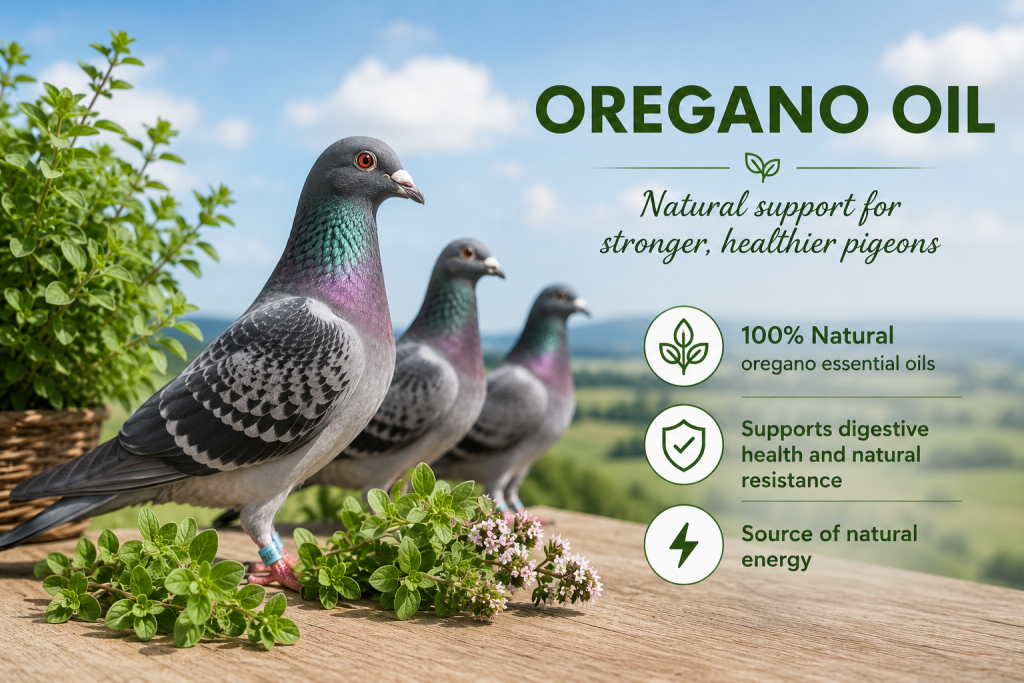
Oregano (Origanum vulgare L.) used in poultry feed exerts antibacterial, antioxidant, and antifungal activity, stimulates digestive enzyme secretion, and helps reduce the severity of digestive and respiratory disorders. These functional effects are explained by the presence of secondary metabolites such as carvacrol and thymol. Oregano is considered a valuable alternative for improving gastrointestinal functional performance, especially in broilers and young birds. The genus Origanum is included among highly active antitrichomonal compounds and also acts against coccidiosis. These plants are rich in p-cymene, gamma-terpinene, and thymol, the active principles responsible for antitrichomonal action.

AdenoColi is a natural remedy that should be included in the control protocol of rapidly spreading diseases such as digestive and respiratory bacterial infections (E. coli, Salmonella, Pseudomonas, Staphylococcus, Mycoplasma, Clostridia, Klebsiella, etc.).

After years of research on the effectiveness of medicinal plants in the prophylaxis and therapy of infectious diseases in birds, we can now state that natural extracts represent an alternative in combating infectious diseases. Additionally, they support recovery after illness.

Our formula contains highly pharmacologically effective bioactive substances. The components were included based on laboratory-proven antimicrobial activity.

Administration: 5 g per 1 kg of feed, accompanied by a balanced diet enriched with vitamins and minerals and very good hygiene conditions

Categories
Uncategorized

Herbasan – Natural way to health

It is an alternative source to the use of antibiotics in diets, which is a big problem because they develop resistant strains of pathogens, and infectious diseases risk becoming untreatable, this aspect also involving human health because they are common infectious agents.

Having citric acid, oregano essential oil and cinnamon essential oil in its composition, our product rich in phytomolecules is recommended when you want:

– maintaining general health by increasing immunity, but also by good control of pathogens (E.Coli, Salmonella, Pasteurella, Mycoplasma, etc.) that the components exert

– developing the microbiome, which means a solid intestinal immunity and an optimization of digestion with positive effects on nutrient absorption

– increasing sports performance – decreasing the risk of diseases

The two main bioactive ingredients in oregano oil, carvacrol and thymol, have antibacterial, antioxidant, antiviral, antiparasitic and immunomodulatory when administered to pigeons. Carvacrol and thymol have been studied for their potential effect on intestinal barrier function, which plays a crucial role in maintaining intestinal health. These compounds may help reduce inflammation in the gut, protect and maintain intestinal integrity, control the growth of harmful bacteria in the gut, and improve pigeon performance. Oregano oil is a natural alternative to antibiotics for improving gut health and barrier function in pigeons. It is known for its ability to combat bacteria that commonly cause disease in pigeons, such as Escherichia coli, Salmonella, and Clostridium, and is currently recommended for use in feed in place of antibiotics.

Respiratory diseases represent a significant component of the overall incidence of disease in pigeons. In many cases, respiratory diseases detected in pigeon flocks may represent part of a prevalent disease originating in other biosystems. For example: various microbial agents can trigger respiratory syndromes, and environmental problems can increase the effect of such pathogens, leading to more severe cases of disease. Pathogens such as Ornithobacterium rhinotracheale, Escherichia coli, Avibacterium paragallinarum, Pasteurella multocida, Mycoplasma gallisepticum, and Bordetella avium have been frequently isolated from birds suffering from complex respiratory diseases. Cinnamon essential oil has been shown in various studies to reduce the virulence of Staphylococcus aureus, Escherichia coli, Avibacterium paragallinarum, Pasteurella multocida, Mycoplasma gallisepticum, and Ornithobacterium rhinotracheale. The antimicrobial effect of cinnamon essential oil against various bacteria such as Pseudomonas aeruginosa, Enterococcus faecalis, Salmonella spp., and Vibrio parahaemolyticus has also been demonstrated. The predominant active compound in cinnamon oil is cinnamaldehyde.

Citric acid (CA) is a weak organic acid, a natural preservative that occurs in small amounts in a variety of fruits and vegetables, especially citrus fruits. Its inclusion in bird diets has been shown to decrease colonization of pathogens and limit the production of toxic metabolites, improve the availability of proteins, minerals such as Ca, P, Mg and Zn, and serve as a substrate in intermediary metabolism. Its addition to drinking water is beneficial for intestinal health and from a sanitary point of view. Its inclusion in the diet improves the performance and non-specific immunity of pigeons. It also increases specific immunity against New Castle disease in the chicks. Their effect in pigeon diets can also suppress the growth of pathogens and improve digestion, absorption, and immunity of the intestinal mucosa. It increases pepsin secretion through proteolysis and the release of hormones, which regulate the digestion and absorption of proteins.

Notice the beneficial effects that the product offers:

– Weight gain, due to muscle development

– Decrease in the rate of illness

– Increased resistance to stress (transport, heat, humidity, vaccinations, etc.)

– Significant improvement in health

administering 5ml Herbasan to 1 L of drinking water every day.

Categories
Uncategorized

RONIDAZOLE 10%

It is a drug for racing and fancy pigeons that is effective in the treatment and prevention of trichomoniasis and hexamithiasis, caused by Trichomonas coloumbae and, respectively, Hexamita columbae. These are protozoa caused by parasites with digestive localization, which appear especially during the mating season and cause latent and subclinical infections.

Ronidazole, the active pharmaceutical ingredient, is rapidly absorbed into the body, reaching therapeutic concentrations shortly after administration. It is preferred in the treatment of infections caused by the protozoa Trichomonas, Hexamita, because it is more effective than metronidazole, even though both belong to the same groups.

In pigeons, trichomoniasis is localized at the level of the oral, pharyngeal and inguinal mucosa, being recognized by the formation of fibrinous, detachable deposits. At the level of the intestine and liver, the evolution is slower with more discreet symptoms. It can also appear in the upper respiratory tract (“cornea”). It especially affects young birds, the most sensitive being young pigeons at the age of 3-4 months. In case of contamination, if treatment is not administered immediately, the incidence reaches 100%, and mortality can occur in more than half of the flock. Trichomonas live a very long time in the host organism, even exceeding 2 years. It is easy to understand that pigeons are long-term carriers and are in fact the most important source of infection.

Histomonosis affects the liver and digestive tract and is spread by carrier birds. It usually occurs on a low immune background and an unbalanced diet. If immediate treatment is not instituted, mortality can reach 100%. The disease manifests itself through foamy, yellow diarrhea with a fetid odor, severe weight loss. Ronidazole is effective in combating the disease. To ensure therapeutic success, anthelmintics, such as Worm Tab, should also be administered.

The product is well tolerated in therapeutic doses and should not cause side effects. It is a product with very good water solubility that should be administered daily for 1 week. For prevention, repeat the administration every 2-2.5 months.

For increased effectiveness, use together with Triconatur and Tricogo. In addition, good prophylaxis is also done by ensuring a balanced diet rich in nutrients and that provides the necessary protein and factors that contribute to the health of the digestive tract (Protein plus, Fly power, BDC, Detox plus, Biotics, etc.).

Categories
Uncategorized

The role of natural components in supporting the health of racing pigeons throughout the year

Example of practical application: Detox Plus and Moor Active

Maintaining the health of racing pigeons throughout the year requires an integrated nutritional approach, adapted to each physiological stage: reproduction, growth, moulting, competition and the cold season. In this context, the use of products with biological action, such as Moor Active (peat-based) and Detox Plus (clay + garlic and cinnamon oil), can bring clear benefits through the properties of humic acids, natural sulfuric substances and phytotherapeutic extracts.

1. Humic and fulvic acids – metabolic and intestinal protective effects

Moor Active is an example of a product based on purified peat, rich in humic and fulvic acids. These compounds contribute to:

• lowering intestinal pH and controlling pathogenic microbial flora;

• protecting the digestive mucosa and improving transit;

• forming complexes with toxins and heavy metals, contributing to their elimination from the body;

• increasing the absorption of essential minerals such as iron, zinc and manganese;

• supporting protein and lipid metabolism, with direct effects on the development of muscle mass and plumage. In young pigeons, these effects translate into faster growth, better feed conversion and increased resistance to intestinal infections.

2. Garlic, cinnamon and clay extract – antimicrobial and detoxifying effect

Detox Plus combines natural clay with concentrated garlic and cinnamon extracts, providing:

• selective antibacterial action (E. coli, Salmonella spp., Staphylococcus aureus);

• protection of beneficial intestinal flora (Lactobacillus);

• internal and respiratory antiparasitic effect;

• mucolytic, expectorant and anti-inflammatory effect in respiratory diseases;

• liver detoxification and stimulation of nutrient absorption;

• supply of essential sulfur compounds for moulting, skin and joints. These properties justify the use of Detox Plus in all critical periods of the biological cycle, but especially during the growth of chicks, the competition season and moulting

3. Applicability depending on the stage of the pigeon year

Breeding

• Moor Active: supports fertility by balancing mineral and protein metabolism.

• Detox Plus: reduces the risk of bacterial contamination in the aviary and strengthens the immunity of the breeders.

Raising youngsters

• Moor Active: protects the fragile digestive mucosa of the chicks, reduces the risk of chick disease.

• Detox Plus: fights parasites, supports the respiratory system and supports harmonious development.

Moulting

• Moor Active: promotes the absorption of minerals necessary for plumage restoration.

• Detox Plus: the sulfur content contributes to keratin synthesis and intensifies feather pigmentation.

Racing season

• Moor Active: supports digestive and metabolic recovery after exercise.

• Detox Plus: protects the respiratory tract, reduces oxidative stress and detoxifies the liver.

Cold season / rest

• Moor Active: anti-inflammatory and immunostimulating background effects. • Detox Plus: prevents the accumulation of toxins and maintains overall immune status.

4. Administration Guide

Product: Moor Active

Recommended dose: 10 ml/kg feed

Usage steps: 2-3 days/week or 5-7 consecutive days in critical periods

Observations: Can be administered together with vitamins.

Product: Detox Plus

Recommended dose: 5 g/kg feed

Usage steps: 2x/week in reproduction, chicks, moulting, Day 3 and 4 after the race, 21 days + 7 break in the cold season Observations: The medication is administered 2-3 hours after the product.

Conclusions

The Moor Active and Detox Plus products represent practical examples of the use of natural components with an essential role in:

• regulating digestion and metabolism,

• detoxifying the body,

• supporting liver and respiratory function,

• strengthening immunity,

• improving general condition and performance in competitions. Their rational use, correlated with the physiological stage of the pigeon, can make the difference between a season affected by diseases and a successful season.

Categories
Uncategorized

Importance of tea to the pigeons

PIGEONS TEA is recommended for pigeons as a food supplement. It has a complex composition of medicinal plants with a role in stimulating intestinal function, improving liver function and inhibiting prooxidant enzymes by supplementing the content of antioxidants.

Also, PIGEONS TEA added to the food enhances the sensory value and increases the nutritional value, so that the appetite is stimulated, the absorption processes of minerals and other nutritional principles are optimized, the level of vitamin B and folate increases, strengthening immunity.

The use of natural products and medicinal plants in the pigeon diet is particularly important because secondary metabolites such as triterpenoids, coumarins, alkaloids, tannins and flavonoids have anti-inflammatory, antiparasitic, antimicrobial, antioxidant and astringent properties.

Also, phytobiotics in pigeon feed reduce diarrheal signs, reduce the risk of viral, bacterial, fungal, parasitic diseases (coccidiosis, trichomoniasis, etc.), prevent body deficiencies and have a beneficial effect on the digestive flora by reducing pathogenic bacteria (E coli, Salmonella, etc.).

Thymus vulgaris is a rich source of carvacrol and thymol with antioxidant, antifungal and antibacterial activities, and its application can mitigate the negative effects of thermal stress.

Cloves (Syzygium aromaticum L.) have antibacterial and antifungal properties. It improves feed conversion rate and breast development. It is also a natural and safe additive for pigeon feed and can be used as a natural growth promoter and as an alternative to prophylactic treatment with antibiotics.

Urtica dioica is beneficial for joint health and reducing inflammation, it is an excellent source of calcium and other minerals, which maintain osteo-articular health.

Salvia rosmarinus is a rich source of phytochemicals and due to its volatile oil has positive effects on health. Rosemary is the plant frequently used against coccidiosis, because it can treat and prevent coccidiosis by simultaneously regulating the life cycle of Eimeria sp., antioxidant status, host immunity and intestinal microflora.

Eucalyptus globulus is particularly valuable because its rich terpene content has antiseptic, antibacterial, anti-inflammatory, analgesic, antifungal effects. It has positive effects on breathing.

Origanum majoranam is one of the most recommended remedies for digestive disorders, it is anti-inflammatory, analgesic and antiseptic.

Althaeae officials has a high content of mucilage that form a protective layer on the digestive and respiratory mucous membranes, soothing irritations and inflammations (throat, pharynx, stomach, intestines). Mallow mucilage helps to hydrate the respiratory tract and contributes to healthy digestion and the protection of the stomach mucosa.

Quercus cortex (oak bark) is an adjuvant in the treatment of diarrhea, heavy metal poisoning (by reducing their absorption at the digestive level), inflammation of the oral cavity and pharynx.

Solidago virgaurea stimulates metabolic processes, improves liver function, and relieves candidiasis due to its antifungal properties.

Matracaria chamomilla bases its pharmacological action on its constituents: sesquiterpenes, flavonoids, coumarins and polyacetylenes. It has gastroprotective, hepatoprotective, antiviral effects.

Used in gastrointestinal diseases, hepatobiliary diseases, respiratory diseases. It has a remineralizing effect.

Glycyrrhiza glabra reduces inflammation and soothes digestive problems. Its active compounds are effective against a wide range of bacteria and viruses. Licorice also helps protect the liver from damage caused by toxic agents. Treats upper respiratory infections due to its antiviral and antibacterial properties. Licorice also helps keep the airways open by promoting the elimination of mucus.

So, offer this TEA to your pigeons to keep them healthy and in optimal health. It helps digestion, improves physical condition and maintains an optimal metabolism. Infuse a teaspoon of tea in 1000 ml of boiling water and let it rest for about 10 minutes with the lid on the container. Filter, let it cool and offer the pigeons as a drink. Do not offer the tea to your pigeons on the day of boarding!

COMPOSITION: Thymus vulgaris, Urtica dioica, Salvia rosmarinus, Eucalyptus globulus, Origanum majoranam, Althaeae officinalis, Quercus cortex, Solidago virgaurea, Matracaria chamomilla, Glycyrrhiza glabra, Syzygium aromaticum.