


 English
  Romanian
  Portuguese
  Polish
  Italian
In the high-stakes world of competitive pigeon racing, health is often measured in seconds. While many fanciers focus on respiratory or bacterial issues, fungi and yeasts represent a “nature’s cleaning crew” that can easily transition from common environmental components to dangerous pathogens. Understanding the delicate balance of mycology is essential for maintaining a winning loft.
1. The Nature of Fungi: More Than Meets the Eye
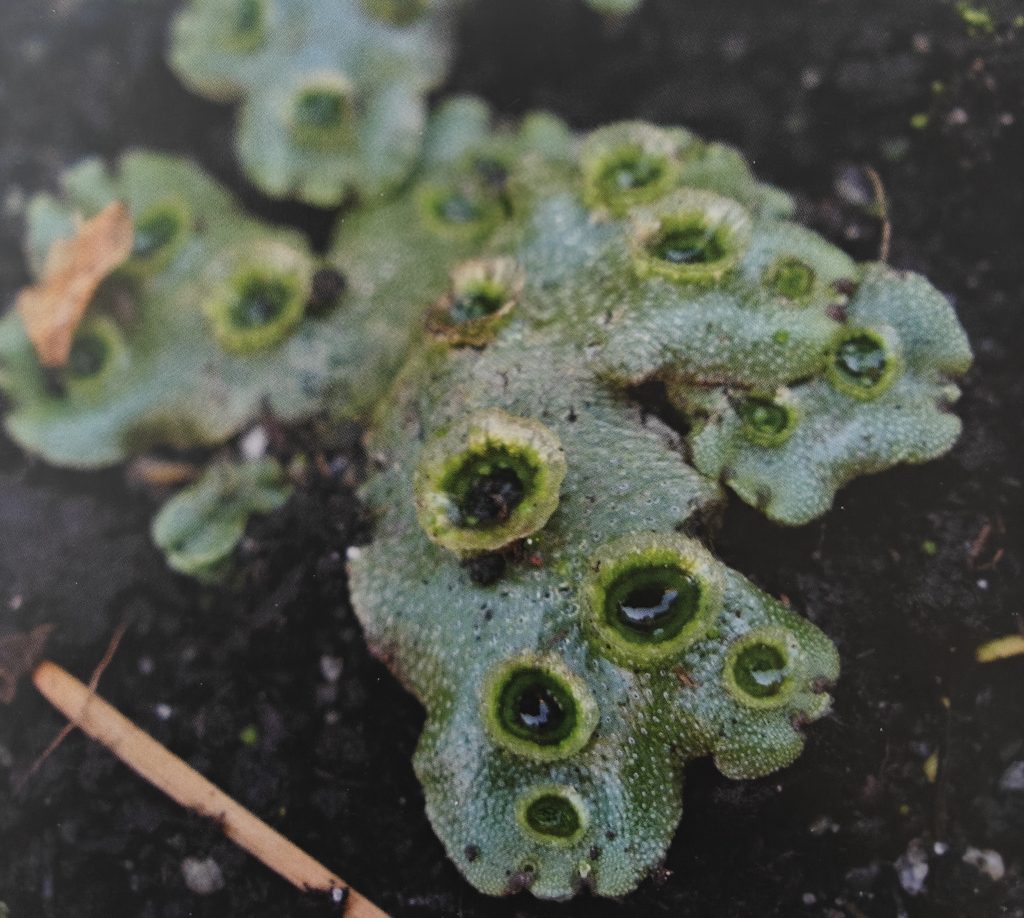
Fungi function similarly to trees; they consist of hyphae (the branches) and fruiting bodies (the “flowers”). These fruiting bodies release massive amounts of spores into the environment. While most fungi are harmless, they become a threat when they colonize a pigeon’s environment or its food source.
The Threat in the Grain
Fungi don’t just sit on the surface of pigeon feed; they grow inside the grains, consuming vital energy and nutrients. This results in:
- Decreased Nutritional Value: The pigeon receives fewer nutrients from the same amount of feed.
- Secondary Bacterial Risks: Fungal growth breaks down the grain’s natural protective barrier, making it more susceptible to bacterial multiplication.
- Mycotoxins: Toxic fungi, such as Aspergillus flavus, produce aflatoxins. These are carcinogenic and poisonous substances that accumulate in the grain, placing a heavy metabolic burden on the pigeon’s liver and overall health.
2. Candida albicans: The Opportunistic Yeast
Among the 200+ types of Candida, Candida albicans is the primary pathogen affecting both humans and pigeons. It is commonly found in the crop and droppings of even healthy birds, waiting for the “ideal circumstances” to multiply.
The “Antibiotic Trap”
The most common cause of a Candida outbreak is the excessive use of antibiotics.
- Disrupted Balance: Healthy intestinal bacteria normally keep yeast in check. Antibiotics kill these beneficial bacteria, leaving a vacuum that Candida quickly fills.
- The Vicious Cycle: Fanciers often treat “poor form” or respiratory symptoms with more antibiotics. If the underlying cause is actually a yeast infection, the antibiotics make the condition worse, leading to a downward spiral of declining health and resistance.
3. Identifying the Symptoms
A yeast infection is often subtle and difficult to measure, but its impact on performance is profound. Look for these signs:
- Fatigue & Poor Performance: A noticeable lowered willingness to train and a sharp decline in racing flight performance.
- Thrush (Beak Deposits): In young pigeons or severe cases, white deposits may appear in the beak.
- Mycelium Formation: In birds with significantly lowered resistance, the yeast can form a network of hyphae that “engulfs” the system, draining the energy the pigeon needs for racing.
4. Treatment and Prevention Strategies
When dealing with a severe Candida infection, it is vital to treat it as a secondary condition. You must find the primary cause—often poor loft ventilation or antibiotic overuse.
Clinical Treatments
- Antimycotics (Nystatin): One of the few effective medicines against yeasts. However, it must be applied for a sufficient duration to prevent resistance.
- Warning: Avoid using Nystatin preventatively; excessive use creates resistant strains.
- Iodine Preparations: Impact iodine-based disinfectants remain highly effective for treating crop-based fungal infections.
Preventative Maintenance
- Loft Ventilation: Poor air circulation leads to dampness and respiratory stress, which paves the way for fungal growth. Ensure lofts are dry and well-ventilated.
- Feed Quality Control: Do not leave your feed quality to chance. Ask your manufacturer for test results regarding fungal spore counts to ensure your birds aren’t being poisoned by their own fuel.
Final Note: Now that pigeon racing has become a top-tier sport, success is found in the details. By supporting the pigeon’s natural immune system and being cautious with antibiotic regimens, you can prevent fungi and yeasts from stealing the “form” required for victory.