


 English
  Romanian
  Portuguese
  Polish
  Italian
The digestive system of a racing pigeon is a highly efficient biological engine designed to extract maximum energy and nutrients, forming the very foundation of its performance and vitality. The intricate process begins as food travels down the oesophagus, which forms the crop, or ingluvies, just before the proventriculus. This thin-walled storage pouch acts as a critical regulator, carefully controlling the release of food into the stomach. Within the crop, food is somewhat pre-digested and is held securely until the previous portion has passed through the gizzard. The stomach itself is composed of two distinct parts. The first is the pars glandularis, formed by a thin, fusiform proventriculus, which leads into the pars muscularis, where the gizzard, or ventriculus, is located. Featuring strong muscular walls, a wiry outer covering, and a wrinkly inner mucosa, the gizzard relies on powerful, rhythmic contractions. The immense pressure generated by these contractions effectively crushes seeds and grit, breaking down the feed to prepare it for intestinal absorption.
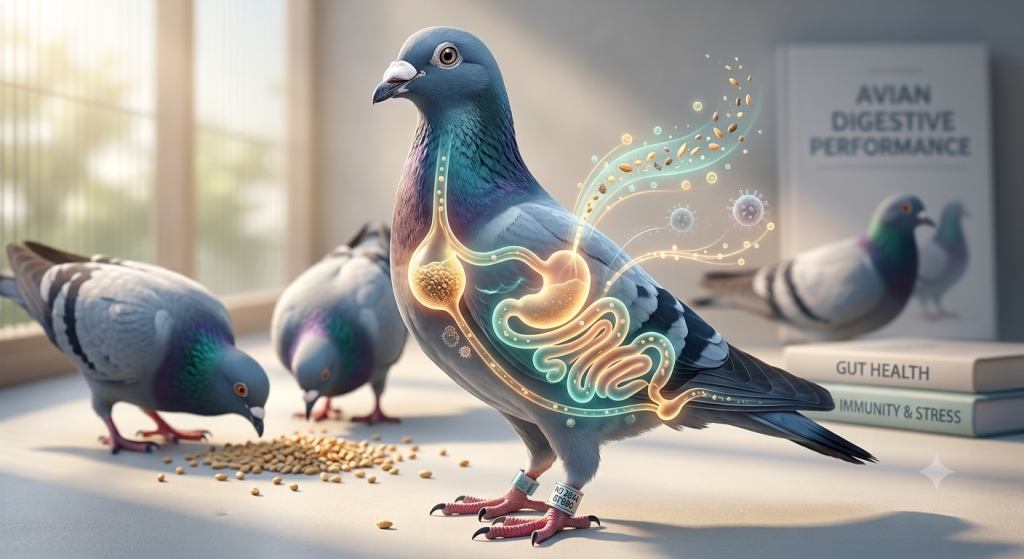
As the digestive journey progresses, the food leaves the stomach through the pylorus and enters the duodenum. The duodenum is a distinctive U-shaped loop that houses the pancreas, a narrow, yellow-red organ with three exits into the digestive tract. The pancreas plays an essential role in this phase by utilizing sodium bicarbonate to neutralize the strong gastric acids coming from the stomach. Following the duodenum, the feed moves into the jejunus, which is the largest section of the small intestine, and subsequently enters the ileum. While there is no obvious visual transition in birds, the ileum is situated near the diverticulum vitellium, a remainder from their very first days of life. At the end of the ileum, two caeca are responsible for crucial bacterial digestion, breaking down complex matter before the rectum connects the tract directly to the cloaca. Because this system is so fast and efficient, maintaining its delicate balance is absolutely critical for any competitive pigeon.
However, even a perfectly functioning digestive tract can be rapidly compromised if the pigeon’s overall immune system is weakened by viral infections. Implementing a strong preventative sick care routine is non-negotiable for serious fanciers. Administering a double vaccination against the paramyxo and herpes viruses, spaced three weeks apart, alongside a targeted vaccination against rotavirus, provides significantly stronger protection than relying on a single, legally obligated dose. Rotavirus is notorious for directly attacking the intestinal tract, causing severe gastrointestinal distress and paving the way for catastrophic young bird sickness. While the paramyxo and herpes vaccine combination does not offer direct protection against the adeno coli syndrome, it substantially lowers the risk of subclinical infections. Because these persistent viruses continuously attack the immune system, they make pigeons incredibly sensitive to secondary infections. By securing the immune system through comprehensive vaccination against paramyxo, herpes, and rotavirus, you prevent the immunosuppression and severe gut damage that often leads to devastating adeno coli or paratyphus outbreaks, thereby indirectly safeguarding the entire digestive tract from bacterial overgrowth.
At Cest Pharma, we understand that combining a solid vaccination strategy with elite nutritional support is the only way to keep your flock consistently healthy and competitive. To proactively fortify the intestinal tract, we highly recommend integrating our premium supplements into your feeding routine. Utilizing Cest Pharma Oregano Oil provides natural essential oils that actively increase resistance against unfavorable bacteria and molds within the stomach and intestines. For targeted action during high-stress periods, Cest Pharma Magic delivers strong antimicrobial support that maintains the structural integrity of the intestinal wall while naturally stimulating food intake. Furthermore, AdenoColi Natura is specifically formulated with natural plant extracts like oregano, thyme, and garlic to support infection control and balance the gut microbiome, especially when fighting fast-spreading bacterial challenges.
To further enhance this delicate internal ecosystem, Cest Pharma Biotics plays a critical role in actively replenishing the beneficial bacteria housed in the caeca and intestines, guaranteeing that the bacterial digestion phase remains highly efficient even after intense races or medical interventions. Finally, consistently enriching your feed with Cest Pharma Healthy Oil delivers a vital source of premium fats and essential nutrients that soothe the mucous membranes of the digestive tract while providing sustained, high-quality energy. By prioritizing both comprehensive preventative veterinary care and our scientifically backed digestive supplements, you ensure that the complex engine of your pigeon’s digestive system is always primed for optimal health and top-tier racing results.

