Categories
Cest Naturals Immunity system

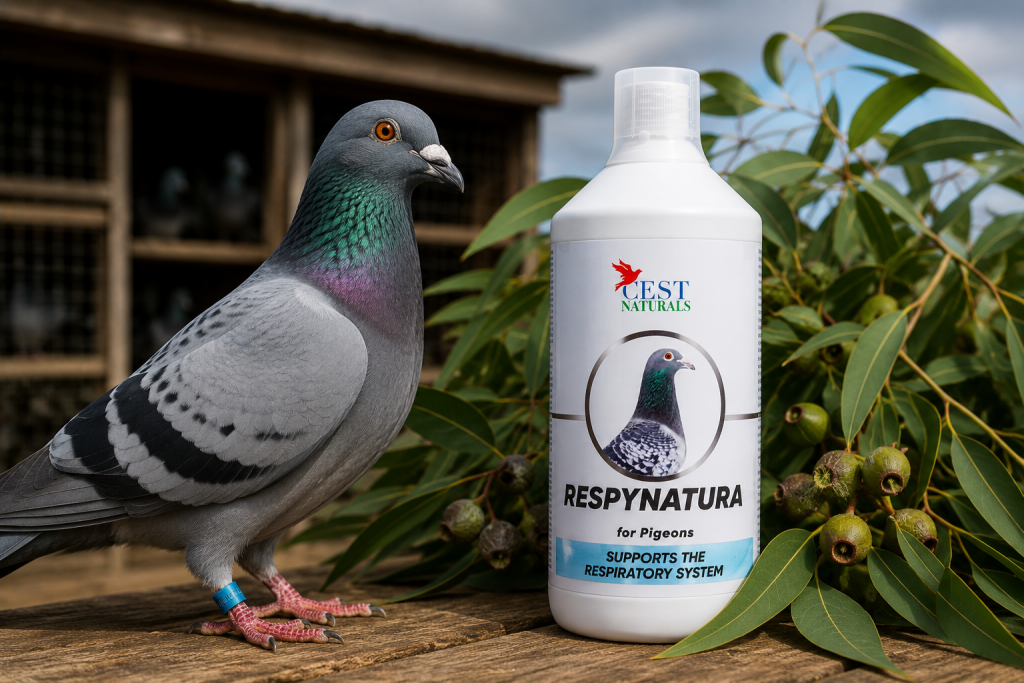
Respynatura – Herbal Support for Healthy Breathing and Vitality

Thinning mucus and facilitating its removal from the respiratory tract. As a result, the airways are cleared and breathing during inflammation becomes easier. It is a real support in the treatment of respiratory disorders through its expectorant and spasmolytic properties.

Respiratory diseases are one of the main causes of loss of athletic condition and growth and development delays in racing pigeons.

The respiratory organs of birds are a vulnerable system because they are constantly exposed to the external environment and, therefore, are subject to infections.

Birds have air sacs outside the lungs. The air sacs continuously supply the lungs with air, ensuring pulmonary ventilation.

In flying birds, the air sacs are essential during flight because:

– they form the oxygen reserve at the time of take-off, when the rib cage is immobile as a result of muscle contraction,

– they reduce the specific weight of the body,

– they ensure balance during flight,

– they fix the internal organs so that the shock of landing is cushioned.

The air sacs are organs with a thin, poorly vascularized membrane, which makes them difficult to treat in cases of infection. They are also connected to other organs, not only the lungs, including bones! Being very susceptible to infections, a localized infection of the respiratory system can easily spread to the digestive system or the oviduct and vice versa by migrating pathogens, such as septicaemia due to coli bacillary superinfection in birds.

Mucociliary clearance is the primary innate defence mechanism of the respiratory system.

The respiratory tract is equipped with a functional mucociliary apparatus consisting of a protective mucous layer, a liquid layer at the surface of the airways and cilia on the surface of the ciliated cells. This apparatus produces mucus, which traps inhaled particles and pathogens and propels them out of the airways (e.g. by sneezing). This mechanism, called mucociliary clearance, is the main innate defence mechanism of the respiratory system.

When the pigeon suffers from a respiratory disease, which is usually complicated by a co-infection or secondary bacterial infection, there is an excess production of mucus that impairs mucociliary clearance. The excess mucus obstructs the airways by forming sores and plugs, leading to dyspnoea (hypoxia) and allowing invasive bacteria to adhere and colonize the respiratory system.

The accumulation of mucus in the respiratory tract severely reduces oxygen intake, causing difficulty breathing, reduced feed intake and a decrease in the energy level of the birds, which has a negative impact on weight gain and performance. Respiratory problems can result from infection with bacteria, viruses and fungi or from exposure to allergens. The resulting irritation and inflammation of the respiratory tract leads to sneezing, wheezing and coughing and, the rapid spread of infection.

A healthy respiratory system eliminates 80% of inhaled germs. When the animal’s defences are worn out by overexertion, infectious agents can penetrate deep into the respiratory tree, from which it is very difficult to remove them. As a result, pigeons are struck by various infections that have a negative impact on performance: colibacillosis, aspergillosis, mycoplasmas, etc.

For this we have created a formula concentrated in natural extracts that can become an important tool for managing respiratory problems. Extracts of plantain, echinacea, thyme, mint, eucalyptus, gentian, fennel, anise, Ginko biloba, willow, chamomile, rosehip have well-known applications in medicine. Based on the antiviral, anti-inflammatory and antibiotic action of the extracts, the product will have the following effects:

– reducing the spread of respiratory pathogens,

– rapid reaction of the body to alleviate respiratory distress and

– maintaining the functionality of the mucociliary apparatus.

All this, because:

– antibacterial properties will increase the body’s resistance to bacterial diseases such as salmonellosis, colibacillosis, mycoplasmas or clostridia that pose serious problems for the respiratory system and other segments

– positively influence the avian immune system, as it promotes the production of immunoglobulins, increases lymphocyte activity and stimulates the release of interferon-γ. In this way, it increases the titter of antibodies against viral diseases (avian influenza, Newcastle disease (fowl pox))

– activates antioxidant defence mechanisms reducing oxidative stress

– beneficial effect on intestinal microflora, absorption, digestion, weight gain and also has an antioxidant effect.

– Frees the airways from mucus optimizing breathing and thus the correct oxygenation of your

Categories
Cest Naturals

AdenoColi Natura – Advanced Herbal Protection Against E. coli and Bacterial Infections

Medications that are usually added to feed, especially as a preventive measure against disease, can lead to the development of resistance in parasites or other microbes. In this way, birds remain carriers, become reinfected, and maintain the infection within the flock. In addition, chemical substances have a high degree of toxicity, especially to the liver. Moreover, the prohibition or limitation of antibiotic therapy has led to an increased incidence of digestive and respiratory infections in birds.

Avian colibacillosis caused by Escherichia coli is the most widespread and harmful bacterial disease among birds. The infection may be localized or systemic, with various clinical signs ranging from respiratory tract infections and white or watery droppings to swollen head syndrome. Youngsters with colibacillosis often present typical lesions: perihepatitis, airsacculitis, pericarditis, peritonitis, salpingitis, coligranuloma, omphalitis, cellulitis, embryonic death, septicemia, and osteomyelitis/arthritis in adult birds.

As a result, mild to moderate chronic E. coli infection often causes reduced feed intake, decreased body weight, lower egg production and hatchability rate, and poorer feed conversion ratio. Severe and acute E. coli infection is usually responsible for higher morbidity and mortality in young chicks and older birds, as well as decreased performance.

Colibacillosis in youngsters often occurs during respiratory syndrome caused by Mycoplasma gallisepticum infection or viral agents such as infectious bronchitis, Newcastle disease, and avian influenza. In addition, immunosuppressive diseases (infectious bursal disease) and stress caused by environmental factors such as overcrowding or high levels of dust and ammonia that enter through oral and respiratory routes also lead to systemic E. coli infection in chicks.

The phenomenon of antibiotic resistance not only raises new challenges for the rational and effective use of antibiotics but also creates many difficulties in preventing and controlling E. coli infection. Furthermore, the recent reduction or prohibition of antimicrobial use has hindered the treatment of avian colibacillosis. Consequently, the incidence of systemic E. coli infections and mortality rates has gradually increased. Therefore, exploring natural substances with effective and safe anti-infective properties is of great importance in controlling E. coli infections.

In vitro studies have demonstrated that several natural plant-derived extracts such as thyme, carvacrol, cinnamaldehyde, turmeric, garlic, citral, etc., may inhibit or kill Gram-negative and Gram-positive bacteria, including Salmonella, E. coli, Campylobacter, and Clostridium perfringens, without harming beneficial bacteria such as Lactobacillus spp.

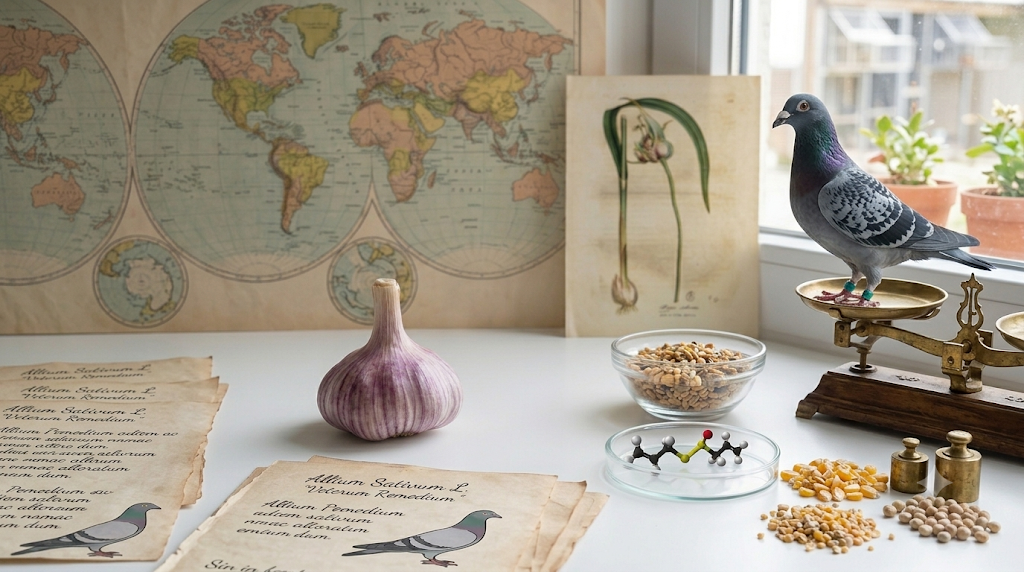
Garlic contains essential oils with allicin as the main active compound. Alliin is enzymatically converted by alliinase into allicin, a compound responsible for the characteristic odor. Allicin compounds have strong antibacterial activity. Garlic contains at least 33 sulfur compounds, 17 amino acids, several enzymes, and minerals. These sulfur compounds give garlic its distinctive sharp smell and clinical effects. Another important garlic compound is inulin, which appears to lower digestive pH in birds when fed garlic due to the prebiotic effects of inulin and its hydrolysates, helping beneficial intestinal flora colonization.

Thyme effectively reduces the growth of E. coli and Salmonella Typhimurium, as established in vitro. Cinnamon essential oil (Cinnamomum zeylanicum) has antibacterial properties against Klebsiella spp., E. coli, Listeria monocytogenes, and Bacillus spp. Moreover, cinnamon essential oil has been reported to have genuine natural antibiotic properties in poultry.

Cinnamon powder extract shows strong antimicrobial activity due to its high content of volatile components (mainly cinnamaldehyde, eugenol, and carvacrol). Thus, cinnamon oil has proven effects against Vibrio parahaemolyticus, Staphylococcus epidermidis, Enterococcus faecalis, Pseudomonas aeruginosa, Salmonella spp., Staphylococcus aureus, and Escherichia coli. Furthermore, it has strong antioxidant, analgesic, and anticandidal activities. It has also been shown to disrupt the growth of numerous pathogenic bacteria and stimulate beneficial bacteria growth in the digestive tract of birds.

Turmeric powder extract is a primary source of phenolic compounds such as curcumin, bisdemethoxycurcumin, demethoxycurcumin, and tetrahydrocurcuminoids. These bioactive compounds are yellow pigments with antioxidant, anticancer, anti-inflammatory, antiparasitic, and antihepatotoxic activities. It also helps control coccidiosis, mutagenicity, and aflatoxin-induced hepatocarcinogenicity. It is successfully used as a growth promoter in broiler chickens and improves intestinal health. When added to feed, it significantly reduces intestinal Clostridium perfringens load and inhibits Salmonella typhimurium colonization. Curcumin has confirmed efficacy against Streptococcus pyogenes, S. aureus, Acinetobacter iwoffii, Enterococcus faecalis, Pseudomonas aeruginosa, Salmonella enteritica, E. coli, Bacillus subtilis, Klebsiella pneumoniae, and Mycoplasma spp. It has also been reported to have a coccidiostatic effect similar to sodium salinomycin against Eimeria spp.

Fennel has remarkable antioxidant, antimicrobial, and hepatoprotective properties. It is rich in linolenic and stearic fatty acids and contains limonene, fenchone, phellandrene, cis-ocimene, p-cymene, gamma-terpinene, anethole, alpha-pinene, camphene, sabinene, beta-myrcene, estragole, safrole, beta-pinene, camphor, and other volatile components. Due to this complex composition, fennel exhibits antioxidant, immunological, and antimicrobial activity and stimulates performance in birds.

Active ingredients in fennel seeds, such as anethole and estragole, stimulate bile acid secretion and digestive enzymes such as protease, lipase, amylase, and maltase, facilitating digestion and increasing feed intake in birds. Fennel seeds increase appetite, stimulate endogenous digestive enzymes, and trigger immune responses. Like other medicinal plants, fennel has antibacterial and antibiotic properties that help reduce undesirable intestinal microorganisms and improve digestion. Improved weight gain and feed conversion ratio following fennel supplementation have been reported in broilers and laying birds.

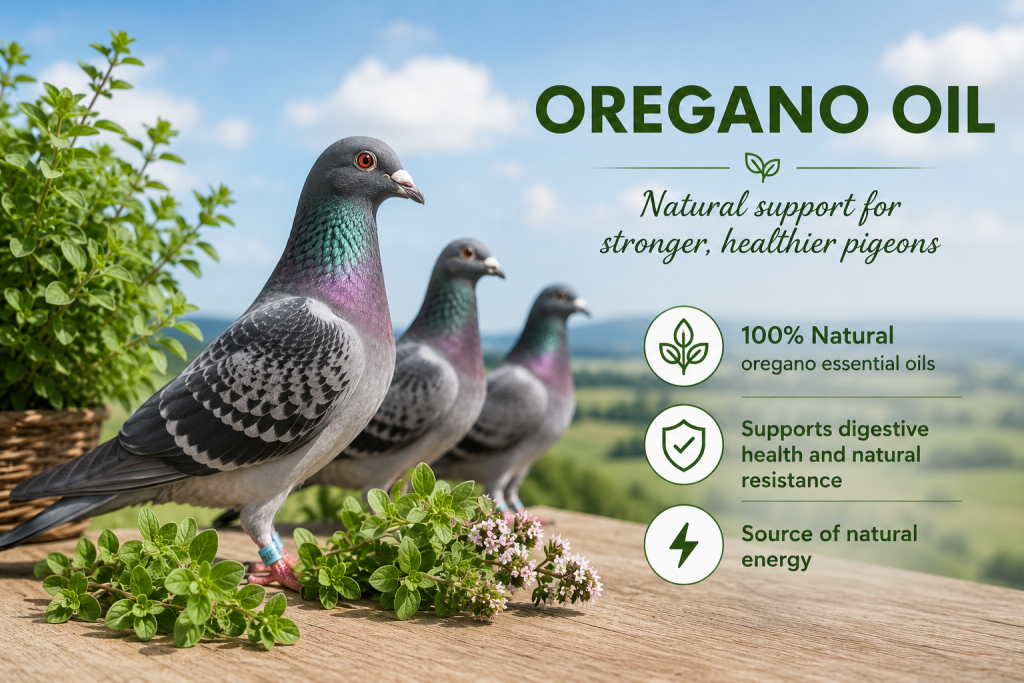
Oregano (Origanum vulgare L.) used in poultry feed exerts antibacterial, antioxidant, and antifungal activity, stimulates digestive enzyme secretion, and helps reduce the severity of digestive and respiratory disorders. These functional effects are explained by the presence of secondary metabolites such as carvacrol and thymol. Oregano is considered a valuable alternative for improving gastrointestinal functional performance, especially in broilers and young birds. The genus Origanum is included among highly active antitrichomonal compounds and also acts against coccidiosis. These plants are rich in p-cymene, gamma-terpinene, and thymol, the active principles responsible for antitrichomonal action.

AdenoColi is a natural remedy that should be included in the control protocol of rapidly spreading diseases such as digestive and respiratory bacterial infections (E. coli, Salmonella, Pseudomonas, Staphylococcus, Mycoplasma, Clostridia, Klebsiella, etc.).

After years of research on the effectiveness of medicinal plants in the prophylaxis and therapy of infectious diseases in birds, we can now state that natural extracts represent an alternative in combating infectious diseases. Additionally, they support recovery after illness.

Our formula contains highly pharmacologically effective bioactive substances. The components were included based on laboratory-proven antimicrobial activity.

Administration: 5 g per 1 kg of feed, accompanied by a balanced diet enriched with vitamins and minerals and very good hygiene conditions